The Essential Contour Brushes Every Beginner Should Know
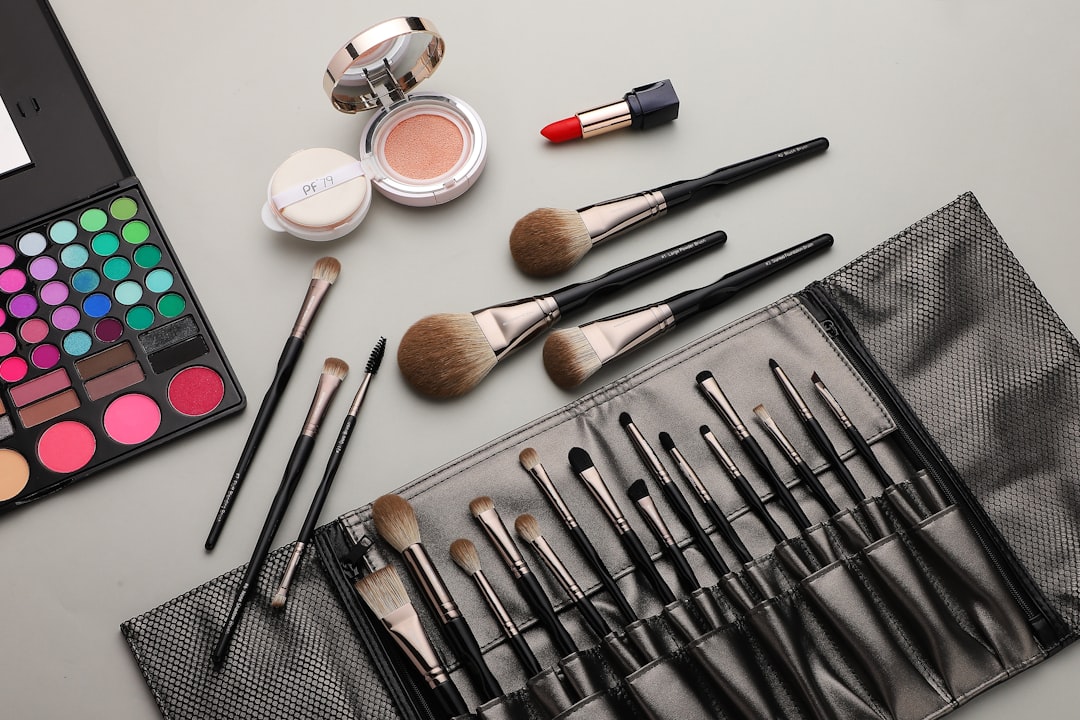
Learning to contour can transform how you shape and highlight your face, but for beginners the right tools make all the difference. This guide breaks down the essential contour brushes you should have, why they matter, and how to use and care for them so you get predictable, professional-looking results.
Along the way you’ll find simple technique tips, product pairings, storage advice, and a compact checklist you can use while building your kit. If you’re shopping for starter products or organized storage, the right brush choices will help you get the most from any contour palette or cream stick.
Why the right brushes matter
Brush shape, density and size control where product goes and how it blends. A dense, angled brush deposits pigment precisely along the cheekbone; a fluffy, tapered brush softens edges. For a curated selection of beginner-friendly contour tools and supplies, see Perfect Contour Cosmetics, which groups makeup, brushes and accessories so beginners can pair tools with matching products.
Angled contour brush — your go-to for cheekbones and jawline
The angled contour brush is a must-have for sculpting. Its slanted edge follows the hollows of the cheeks and the jawline, allowing deliberate placement of cream or powder without over-applying. Use light, downward strokes from the ear toward the mouth to create a natural shadow, then blend with circular motions. This brush works with cream products like Cream Contour Sticks as well as powder formulas—adjust pressure and product amount to avoid harsh lines.
Tapered blending brush — diffuse without losing shape
A medium, tapered blending brush softens edges and diffuses contour into the rest of your makeup. After placing product with a denser brush, use the tapered brush to buff the transition zone in small back-and-forth motions. It’s especially useful when working with powders; if you’re using a beginner-friendly palette, consider pairing this brush with Powder Contour Palettes to achieve a seamless finish.
Flat stippling brush — build soft coverage with liquids and creams
Flat stippling brushes (dual-fiber or synthetic) are excellent for applying and sheering out liquid or cream contours and highlighters. Apply product with light taps and then buff upward to avoid streaks. This method works beautifully with liquid illuminators—if you prefer liquid highlighters, look at Liquid Face Highlighters and practice stippling to control sheen and placement.
Small detail / nose contour brush — precision work
For the nose, cupid’s bow, and tiny hollows, use a small, firm brush with a tapered or flat edge. It allows precise application of product for slimming or sharpening without affecting surrounding powder or highlight. If you’re starting out, pair this brush with a smaller contour pan from a beginner palette so you can practice with low-risk color payoff; see choices in Contour Palettes for Beginners.
Kabuki / buffing brush — for natural all-over blending
A dense kabuki or round buffing brush is ideal for marrying contour into foundation and eliminating any patchiness. Use circular motions and light pressure to blend cream and powder transitions. This brush is often included in starter kits, which are helpful if you want a pre-selected set of tools. Check out options like Beginner Contour Brush Sets to find balanced tool combinations tailored to newcomers.
Brush maintenance and organization — keep tools working well
Clean brushes at least once every one to two weeks if you use creams; powders can be cleaned every two to three weeks. Use a gentle brush cleanser and reshape bristles while drying flat. For storage, keep brushes upright, protected from dust and moisture to preserve shape and hygiene—an enclosed option like the Acrylic Makeup Brush Holder with Lid keeps brushes clean and visible on your vanity.
Starter kits and how to build a simple kit
If you don’t want to pick individual brushes right away, starter kits bundle the essentials and often include guidance on what each tool does. Starter sets simplify learning and ensure you have complementary products and applicators. For curated options that include contour and highlight pairings, see Contour and Highlight Starter Sets.
Quick checklist for beginners
- Angled contour brush — cheekbone and jawline definition
- Tapered blending brush — soften and diffuse edges
- Flat stippling brush — liquids and creams
- Small detail brush — nose, cupid’s bow, precision spots
- Kabuki/buffing brush — all-over blending
- Brush cleaner and upright storage (covered holder recommended)
FAQ
Q: How many contour brushes do I need as a beginner?
A: Start with 4–6: an angled contour, tapered blender, flat stippling, small detail brush and a kabuki/buffer. Add specialized tools as you refine your technique.
Q: Should I use the same brushes for cream and powder?
A: Synthetic brushes work well for creams and liquids; natural or denser synthetic fibers are good for powders. If you want a simple approach, designate one set for creams and one for powders to reduce cross-contamination.
Q: How much product should I pick up on my brush?
A: Less is more—start with a small amount, place where needed, then build. It’s easier to add product than to remove excess.
Q: How often should I replace brushes?
A: With proper care, quality brushes can last years. Replace when bristles shed excessively, lose shape, or when the ferrule loosens.
Q: What brush shape is best for a soft, everyday contour?
A: A slightly angled, moderately dense brush paired with a tapered blender offers the most versatility for soft, natural contouring.
Conclusion — a practical takeaway
For beginners, a compact set of well-chosen brushes—angled, tapered, stippling, detail and a buffer—will cover every basic contouring need. Pair brushes with the appropriate formulas, clean and store them properly, and practice light layering and blending. Starting with a focused kit or starter set will speed progress and help you achieve consistent, flattering results.
Products Featured in This Article
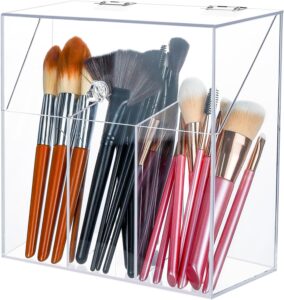
Acrylic Makeup Brush Holder with Li…
Product description Headache about Makeup Brushes Mess Up? Do you have lots of Makeup brushes or…